Use 50SKIN at checkout for 50% off (forever). Now until April 1st, 2026 when our pricing increases!
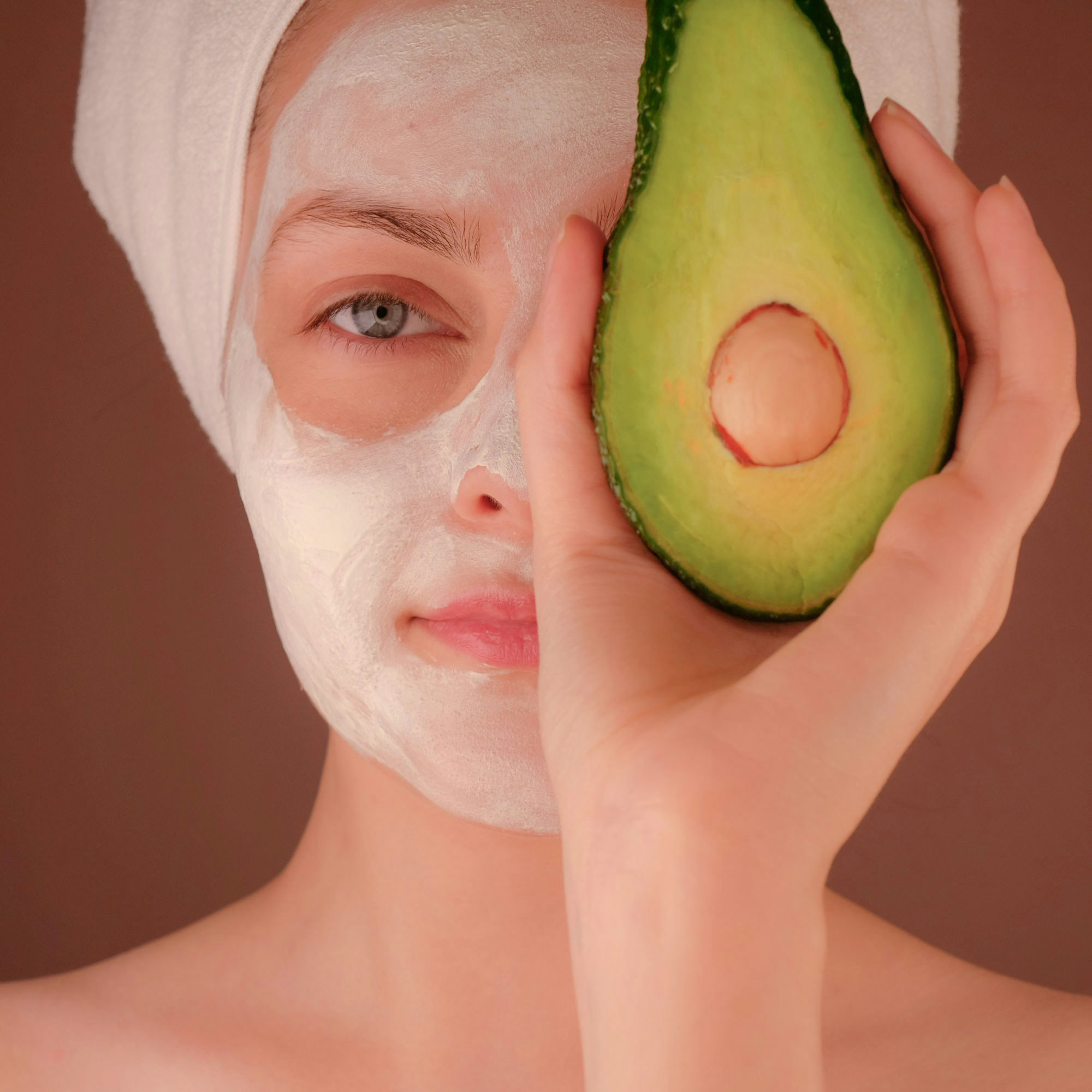

Many skincare products—even “clean” or expensive ones—contain ingredients that clog pores and trigger acne. Common culprits include coconut oil, lanolin, and synthetic dyes. This post breaks down the top 10 acne-causing ingredients, explains what to look for on labels, and how to use ChekIt to scan product lists automatically. We also share a few lifestyle tweaks to help prevent breakouts from the inside out.
If you’re struggling with breakouts—or helping clients who are—it’s not just about hormones or stress. Products play a huge role. Even “non-comedogenic” items can contain hidden pore-cloggers, especially when misused or layered incorrectly.
These are some of the most common offenders found in everything from moisturizers to SPF:
→ Ultra comedogenic. Found in lotions and primers. Smooths texture but clogs pores like crazy.
→ Natural, yes. But it has a comedogenic rating of 4 — not ideal for acne-prone skin.
→ Derived from sheep’s wool. Often in creams and balms. Occlusive and likely to clog pores.
→ Found in “clean” or spa products. Sneaky trigger for some acne-prone users.
→ High vitamin E content, but it ranks a 5 on the comedogenic scale. One of the worst.
→ Common emulsifiers and surfactants. These show up in face washes and serums.
→ Found in blush, lipstick, and tinted skincare. Can cause breakouts, especially around the cheeks.
→ Common in cream makeup and moisturizers. Comedogenic rating of 4.
→ Can irritate sensitive skin and trigger inflammation that worsens acne.
→ Not always bad, but in some users they can trap oil and bacteria, especially if not removed properly.
Here’s why you keep seeing “breakouts” from new products — even the ones that say non-comedogenic or clean:
They hide behind scientific or botanical names — and sometimes seem skin-friendly!
Common Name: Coconut Oil
INCI Name: Cocos Nucifera
Comedogenic Score: 4–5
Common Name: Wheat Germ Oil
INCI Name: Triticum Vulgare
Comedogenic Score: 5
You could memorize the top 100+ offenders.
Orrrr… you could let ChekIt do it for you. ✨
ChekIt is a comedogenic and irritant checker tool built for:
You’ll get a clear, color-coded report — perfect for client audits or cleaning up your own routine.
Tired of reading tiny labels mid-consultation? ChekIt gives you:
Set up ChekIt for your studio or online store → Contact Us
Ingredients are a big piece of the puzzle — but here are a few other game changers:
Pro Tip: If a breakout shows up 3–5 days after starting a product, check its top 5 ingredients.
You could memorize the top 300 acne triggers—or you could paste the product into ChekIt and see them instantly flagged. Whether you’re shopping, recommending, or selling, ingredient transparency is the new skincare standard.